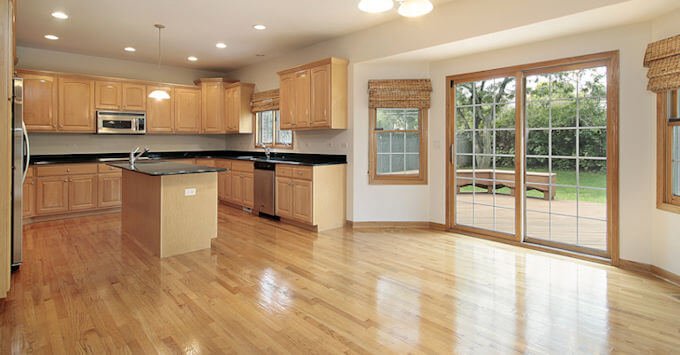
What does your home insurance policy say about a vacant or unoccupied home? Does it provide coverage? Require you to alert them if the home is vacant for more than 30 days? If you do not know, you are not alone. However, if you are moving, planning an extended trip, or otherwise dealing with a vacant property, you need to alert your agent about your property’s condition.
Your Home Insurance Policy Limits Coverage
In most situations, a vacant home has limited coverage. Everyone has heard stories of vacant homes – they are at a high risk of being broken into. When no one is living there, something is going to happen there. Yet, if you are the owner, you have the right and obligation to update your policy to reflect risks.
Vacant Homes
Vacant homes are properties where no one lives in them. A very good example is moving. You bought a home, but have not sold your old one just yet. You moved, but you are still waiting to sell the existing property. When this happens, the home is at a high risk for break-ins, theft, and vandalism.
Here’s an example of what could happen. An owner moves out of his home. The owner is now living 30 minutes away so does not come back to the home often. A group of people breaks into the home just to have some fun. They create significant damage, including damaging the home’s appliances. The owner learns about this weeks later when he comes back to check on the property. Will the insurance policy cover his losses?
This depends. If the property is vacant beyond 30 days and the individual has not updated his or her policy with the insurer to alert them of this risk, then the owner is liable for the losses. The insurance company can deny this type of claim.
Unoccupied Homes
This is a home someone was living in, left his or her furniture in, and plans to come back to at some point. No one is living there day to day, though. In this situation, the property is at risk because no one is living there to monitor conditions, security, and safety.
Here’s an example. A woman is in a car accident and spends the next four weeks in a hospital and another three in a rehab location. No one is living in the home. During the cold weather, a pipe freezes in the basement, flooding it. Over this period of time, the water has damaged the structure, causing mold to build up. She doesn’t find out for weeks.
Here, the insurer may not cover the losses if it was not informed of the unoccupied nature of the home. In this situation, the insurance company is not likely to cover the losses if it was not informed.
Seasonal Homes
If you own a seasonal home, it also needs comprehensive coverage that matches the way you use the property. If you rent it, a traditional home insurance policy does not apply. And, if the home is vacant most of the year, your policy should state this and provide for coverage nonetheless.
Licensed Agents Can Help You
These types of insurance situations are a high risk. They can be very difficult to insure. Working with a licensed agent will help you minimize these risks. Work closely with your agent at Couri Insurance Agency to determine the right type of coverage for your property. In most situations, it is possible to insure your home, but you must clearly define its use to your agent.